
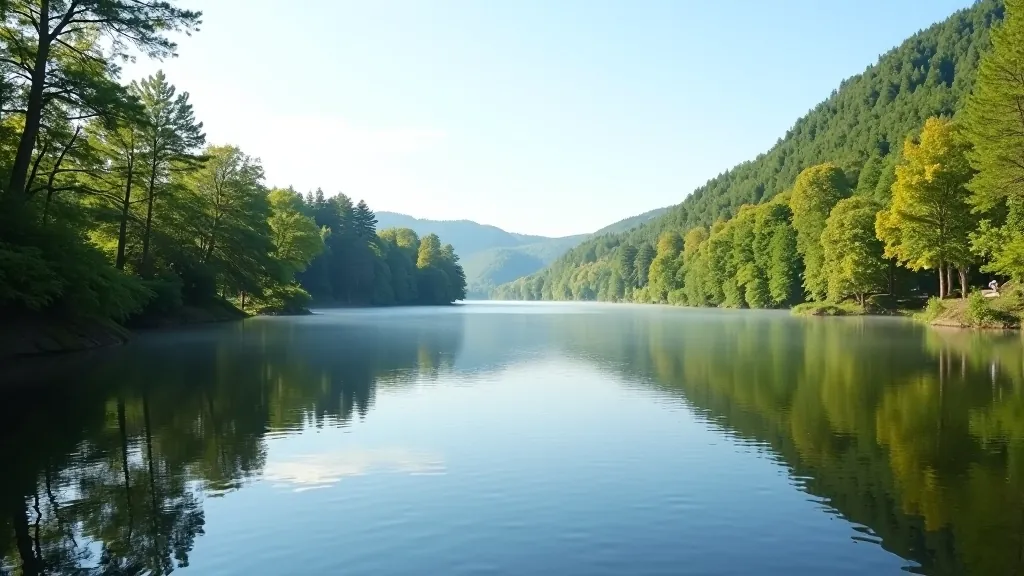
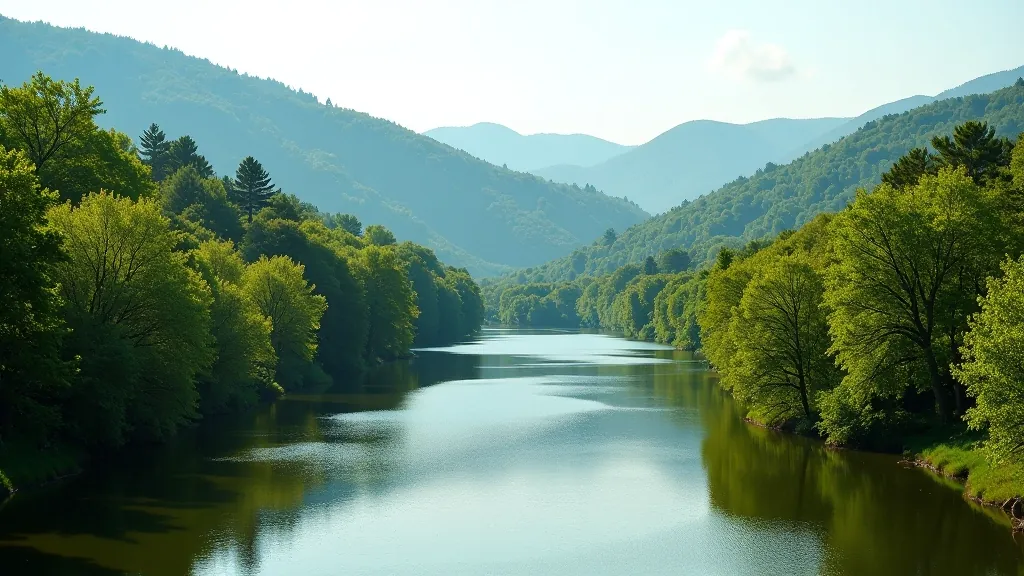
Vltava Riverside Recreation — Scenic Drives and Gentle Walks
Explore the Vltava river valley without strenuous hiking. We've mapped out scenic drives with pullover spots, riverside villages worth visiting, and quiet places to sit and enjoy the view.

Why the Vltava Valley?
The Vltava isn't just a river — it's a gentle corridor through some of the most accessible Czech countryside. Unlike mountain hikes that demand proper fitness, the Vltava valley offers something different: scenic routes where you control the pace, stop whenever you want, and experience nature without strain.
We're talking about drives where you can pull over at a viewpoint every few kilometers, villages with cafés and benches, and walking paths that take you right down to the water's edge without steep climbs. The region's been welcoming visitors for centuries — the infrastructure is solid, the scenery is genuine, and you'll actually encounter other people who aren't trying to summit anything.
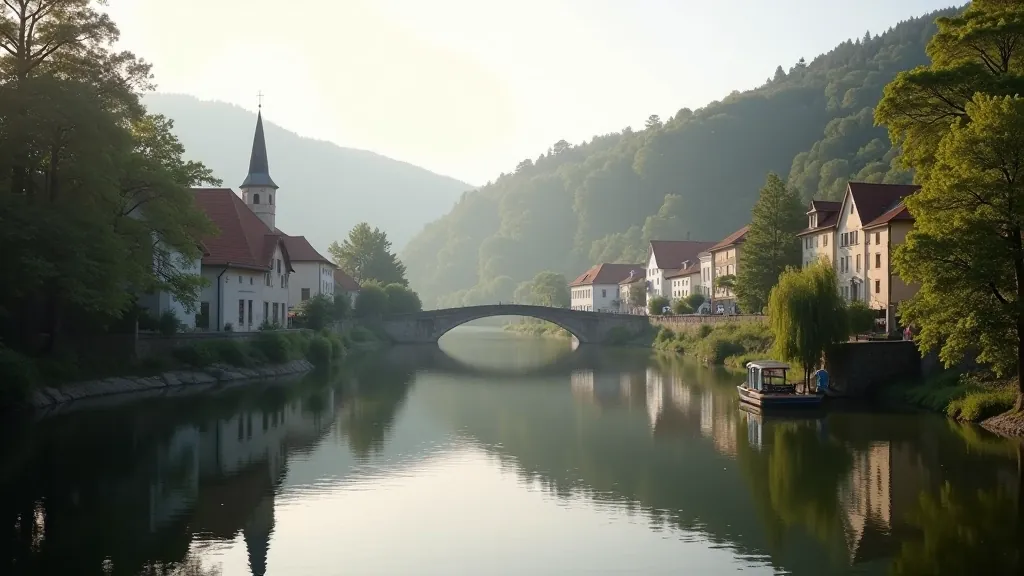
The Three Main Scenic Routes
We've identified three distinct routes along the Vltava, each offering different experiences. The beauty of these routes is that you're not locked into the full distance — you can drive 10 kilometers, stop at a village, have lunch, and turn back whenever you want. No commitment, no pressure.
Route 1: Prague to Vyšší Brod (55 km)
This is the most developed route with the best infrastructure. You'll find cafés, small hotels, and viewpoints every 8-12 kilometers. The road hugs the river closely through the first 30 kilometers, then opens into broader valleys. Notable stops: Štěchovice Dam (views from above), Davle village (riverside restaurants), Psovka lookout point (park and walk 10 minutes for panoramic views).
Route 2: Tábor to Bechyně (38 km)
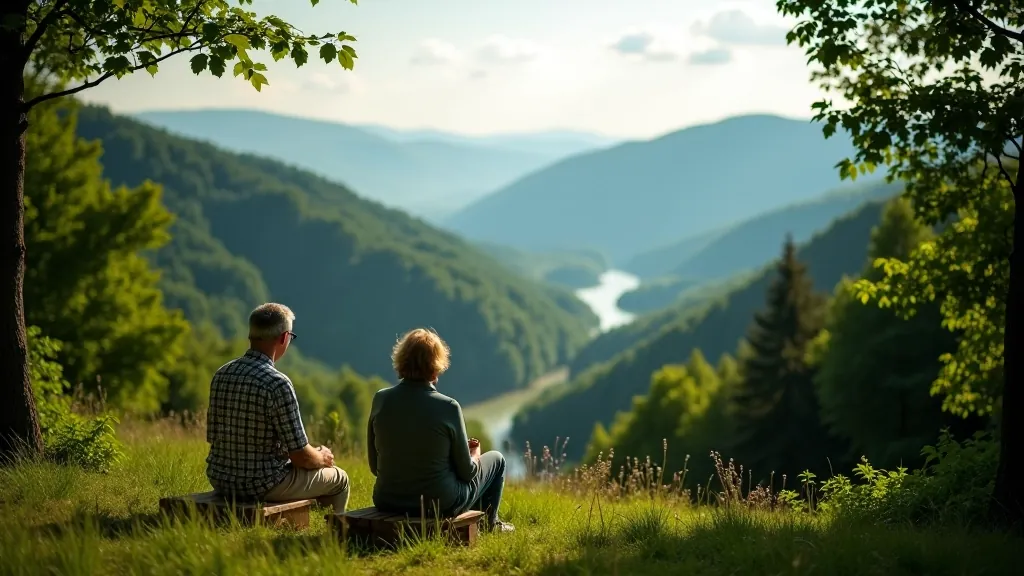
A quieter option with less traffic and more forest. This stretch has fewer commercial stops but more genuine countryside feeling. Several pull-offs with benches are marked for riverside picnics. The Bechyně end has a historic castle overlook — walk up from the parking area (15 minutes, gentle incline) or stay at the riverside benches below.
Route 3: Český Krumlov Loop (42 km)
The most scenic but also the most variable in terms of services. You're in genuine small-town territory here. The loop takes you through villages where you might be the only visitor on a given day. Excellent for photography and genuine quiet — but plan meal stops ahead. Český Krumlov itself (at the center) has all amenities.
Gentle Walks Without the Strain
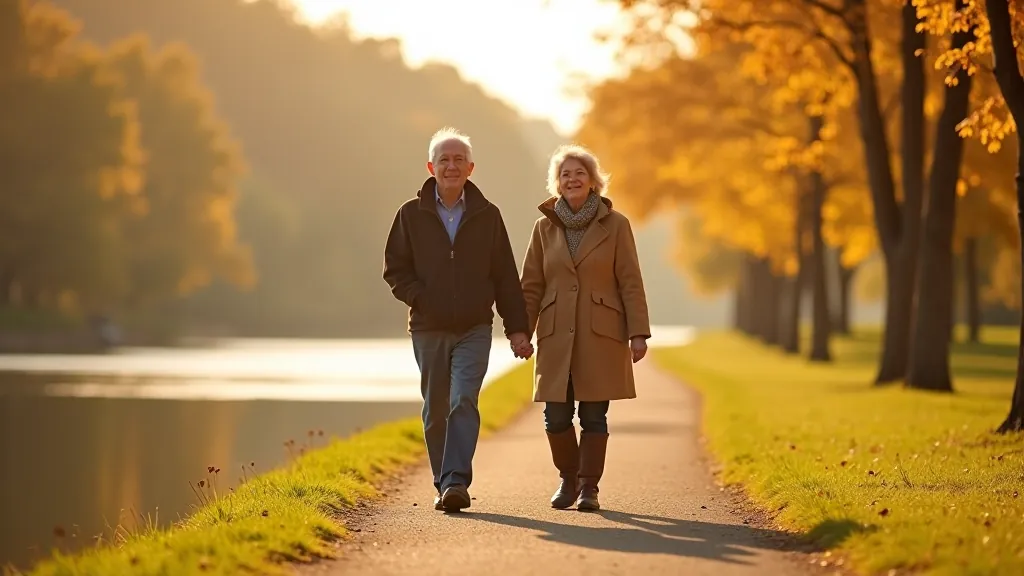
The Vltava valley has something mountain regions don't: flat walking paths that actually stay flat. You won't find yourself suddenly climbing because the trail "connects" to something. These walks follow the river or stay in valley bottoms. Most are paved or well-maintained dirt — not loose gravel or technical terrain.
Riverside Path Walking
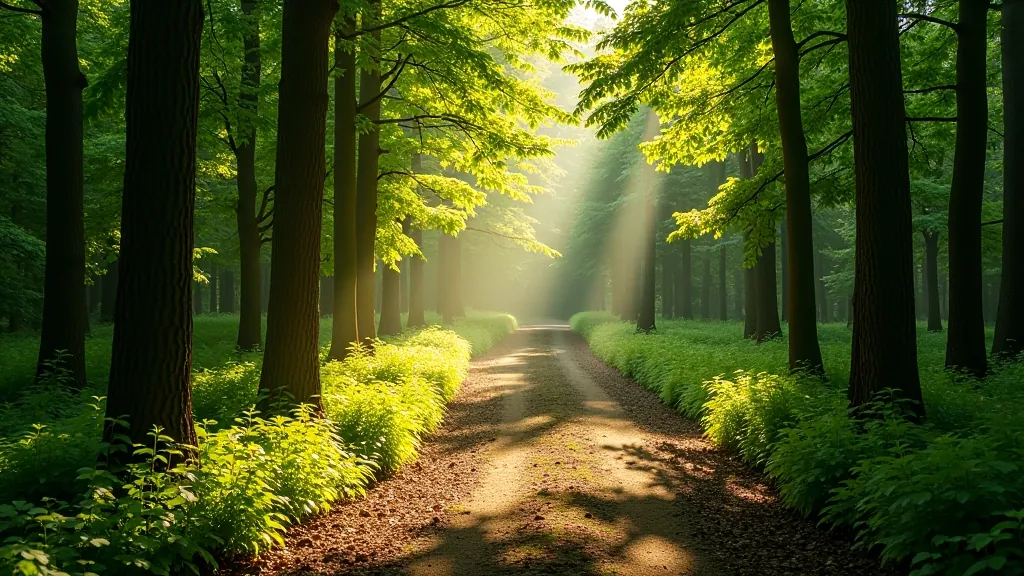
Many sections have dedicated walking paths that run parallel to the river. These aren't hiking trails — they're proper paths with railings in steep sections, benches every 500-800 meters, and clear marking. You can walk 15 minutes or 90 minutes depending on your mood. Common distances: Davle to Štěchovice (8 km, flat, 2 hours including stops), Bechyně waterfront loop (3.2 km, completely flat, 45 minutes).
Village Walks with Café Stops
Park in a village, walk through the streets to the riverside, sit for coffee, walk back. These aren't long — maybe 2-3 kilometers round trip — but they're substantive. You're seeing real architecture, meeting locals in cafés, and experiencing the place rather than just driving through. Vyšší Brod, Tábor's riverside quarter, and Rožmberk villages work perfectly for this approach.
Practical Details That Actually Matter
Here's what we wish someone had told us before our first Vltava trip. These aren't obvious things — they're the details that separate a frustrating day from a genuinely pleasant one.
Parking Situations
Don't assume you'll find parking near viewpoints. Many scenic spots have 4-6 spaces, not 40. Arrive before 10:00 AM or after 3:00 PM if possible. Most villages have free parking near churches or main squares — that's where locals park, which is where it's actually legal and safe.
Restaurant Timing
Small riverside restaurants close between 2:00 PM and 5:00 PM — it's not you, it's just how they operate. If you're driving late afternoon, eat in a village with actual supermarkets (Tábor, Český Krumlov) rather than hoping for a café to be open. Weekends are busier than weekdays — sometimes frustratingly so.
Weather & Wind Exposure
Riverside areas can be surprisingly windy, especially near dams and narrow sections. If you're sitting by the water, bring a light windbreaker even on warm days. The water itself is always cooler than inland areas — typically 5-8 degrees colder than the surrounding countryside.
Walking Shoes & Surfaces
The paths are well-maintained but varied. You'll encounter paved sections, packed gravel, and occasional wet spots near the water. Comfortable walking shoes with decent grip are important — not hiking boots, but not dress shoes either. Many benches are damp in the morning due to river mist.
The Vltava Isn't About Achievement
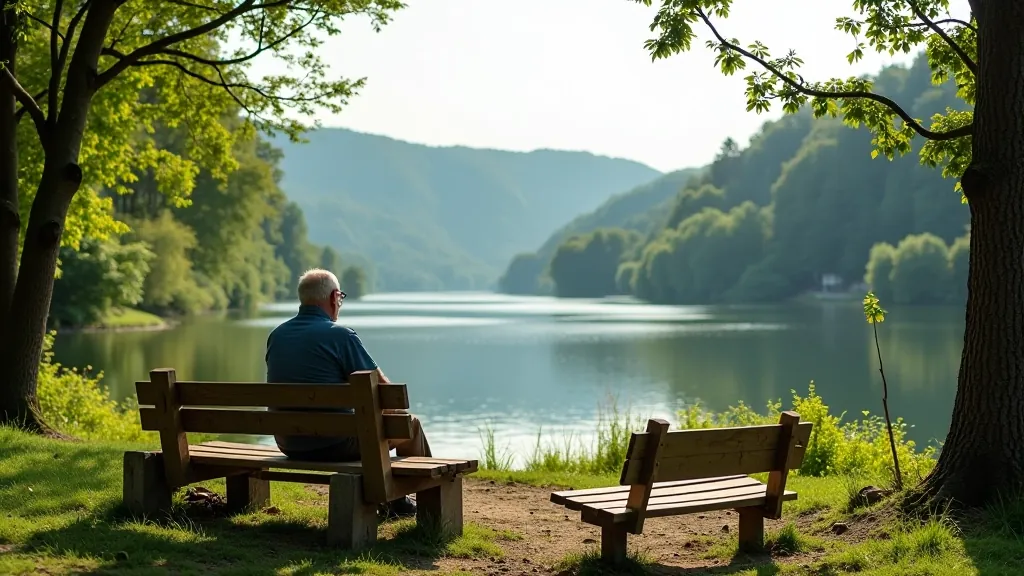
You won't summit anything here. You won't accumulate impressive step counts or conquer trails. That's exactly the point. The Vltava valley is about movement that feels good, scenery that genuinely calms you, and the ability to decide in the moment whether you want to keep going or sit by the water for another hour.
The drives are accessible — proper roads with good signage. The walks are manageable — flat paths with regular stopping points. The villages have exactly what you need — coffee, bathrooms, a place to sit. It's not wilderness. It's not adventure. It's what many people actually want from outdoor time: beauty without drama, movement without strain, and the option to stop whenever something catches your attention.
Start with one route, drive it slowly, stop at three places, and see how you feel. The Vltava will still be there tomorrow, and the day after that. There's no rush.
Disclaimer: This article provides educational information about outdoor recreation in the Vltava region. Individual experiences with walking, driving, and outdoor activities vary based on personal fitness, health conditions, and weather. We recommend consulting with your healthcare provider before undertaking new physical activities. Road conditions, restaurant hours, parking availability, and village facilities may change. Always check current conditions and local guidelines before planning your visit. The information provided is accurate to May 2026 but is subject to change.